If you’re searching for how to save a dying tree, start by finding out what is actually wrong with it. Some declining trees recover with better watering and mulching, while others need an arborist before they become unsafe. This guide shows you how to check your tree, what you can safely do yourself, and when to call a professional.
Key Takeaways
- A struggling tree may still recover, but the right response depends on what is causing the decline and how much healthy tissue remains.
- Check more than one part of the tree; a single symptom rarely tells the whole story.
- Use a small scratch test on a twig to look for living tissue, but don’t treat it as a definitive diagnosis.
- Correct watering and mulch practices can reduce stress on roots.
- Avoid aggressive pruning, heavy fertilizing, or other interventions without understanding the cause.
- Get a professional assessment when decline is severe or the tree could threaten people or property.
Is Your Tree Worth Saving? Quick Checks Before You Act
A few dead leaves or a bare branch do not necessarily mean your tree is dying. Look for changes across the canopy, trunk, and root area, and consider whether the pattern is spreading or getting worse. A closer inspection can help you decide whether to adjust care or ask an arborist to assess the tree.
Do the Scratch Test: Is Your Tree Dead or Just Struggling?
A scratch test can offer a small clue about whether a branch is alive. Choose a pencil-thin twig and gently scrape a tiny patch of outer bark with a clean fingernail or blade; green, slightly moist tissue underneath often means that twig is living. Brown, dry tissue may indicate that particular twig is dead, but it cannot tell you the condition of the entire tree.
Repeat the check on a few small twigs in different parts of the canopy rather than cutting into the trunk. A tree may be dormant, especially in colder months, and a living tree can have dead branches. If the results are mixed, or you see other signs of decline, a professional assessment is more reliable than a home test.
What to Check in the Canopy, Bark and Roots
The most useful clues are often changes from the tree’s normal appearance. Thin leaf growth, premature leaf drop, brittle twigs, peeling bark, and damaged roots can each point to stress, though none identifies the cause on its own. Our guide on how to tell if a tree is dying covers the full list of symptoms and what causes them. Here, the aim is simpler: decide whether your tree is worth saving before you act.
This quick guide can help you organize what you see before deciding what to do next:
| Area to inspect | Possible warning sign | What to keep in mind |
|---|---|---|
| Leaves | Sparse growth, unusual discoloration, or early leaf drop | Weather and the tree’s normal seasonal cycle matter |
| Branches | Dead twigs or sections with little new growth | Check whether the pattern is isolated or spreading |
| Bark and trunk | Peeling, cracks, or damaged patches | Bark changes can have several causes and need context |
| Roots and soil | Exposed or damaged roots, compacted soil, or persistent sogginess | Root problems may not be visible from the canopy |
A pattern across several areas is more concerning than a single dead twig. Take note of when the changes began and whether they followed a dry spell, construction, or other disturbance; that history can help narrow down the cause.
Why Is Your Tree Declining? Causes You Can and Can’t Fix
Tree decline usually develops when stressors interfere with the roots, trunk, or canopy. In Ontario, changing weather can contribute: a stretch of dry conditions may limit available moisture, while saturated soil can leave roots short of air. Sudden shifts in temperature and harsh winter conditions can add stress, depending on the tree and its location.
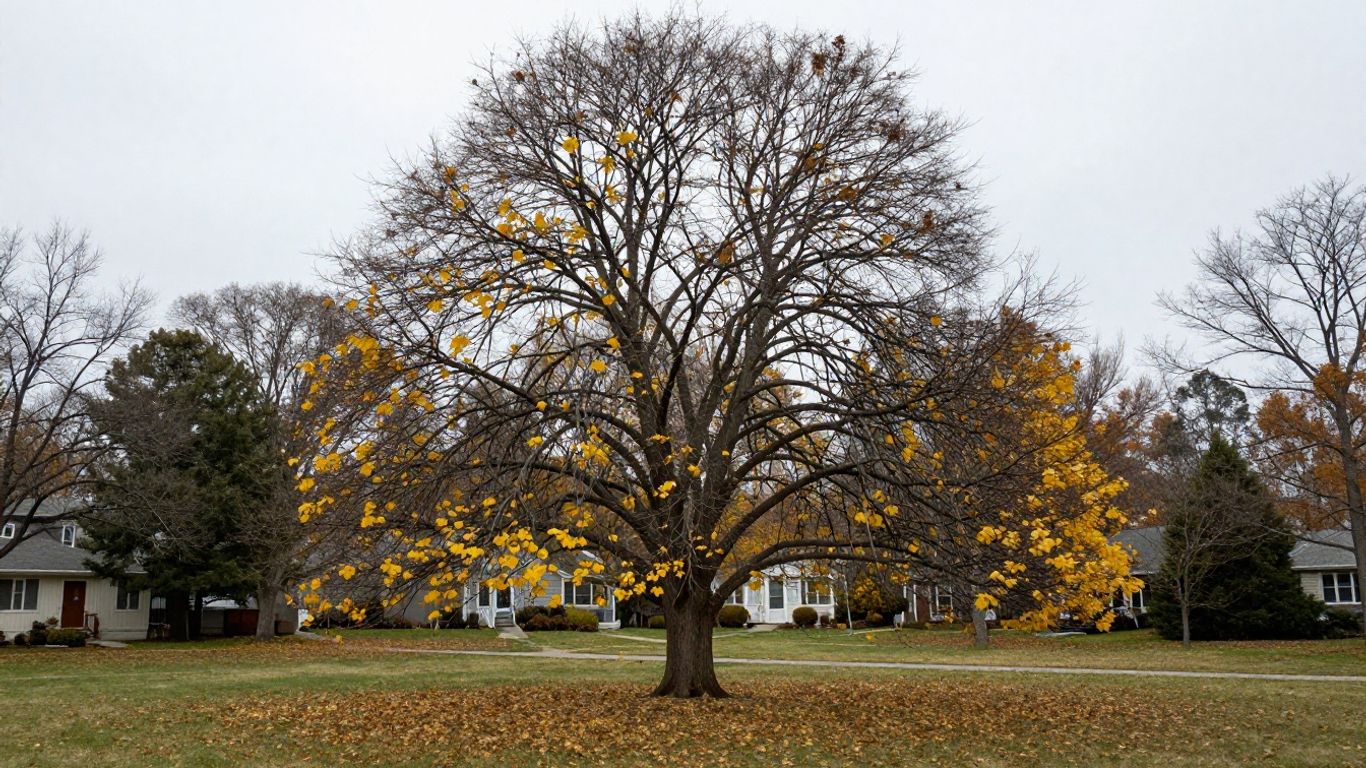
Soil and site conditions matter, too. Compacted ground, changes to grade, damage from digging, and restricted rooting space can make it harder for a tree to take up water and nutrients. Salt exposure near roads and walkways may also contribute to decline, while excess moisture around the root zone can create a different set of problems.
Pests and disease can weaken a tree, but symptoms that look similar may have very different causes. Insects, fungal problems, and physical injury can all affect leaves, bark, or branches, and multiple stresses may be present at once. In this part of Ontario, one well-known example is the emerald ash borer, an invasive beetle that attacks ash trees. The Ontario government’s emerald ash borer page lists the symptoms to look for, such as D-shaped exit holes in the bark. For other insects and diseases, see our guide on how to protect trees from pests. Avoid treating the tree based on a guess; identifying the underlying issue is the first step toward choosing a useful response.
How to Save a Dying Tree: Step-by-Step Recovery Plan
If the tree is still living, focus first on reducing the stress that you can safely address. A thoughtful recovery plan is not a quick fix; it starts with observing conditions around the tree and making small, appropriate changes. These steps can support a stressed tree, but they cannot reverse extensive damage or treat every pest and disease.
Step 1: Water Deeply Without Overwatering
Check the soil before adding water. If it is dry below the surface, water slowly over the root area rather than pouring a small amount right beside the trunk. The aim is to moisten the soil without leaving it persistently saturated, since roots need both water and air.
How often to water depends on rainfall, soil, tree size, and the season. Recheck conditions instead of following a fixed daily schedule, and take extra care with newly planted trees, which can dry out more quickly than established ones. If the ground stays soggy or water pools for long periods, adding more may make the problem worse.
Step 2: Mulch Correctly and Improve the Soil
Mulch can help moderate soil temperature and slow moisture loss, but placement matters. Spread a modest layer across the root area, keeping it pulled back from the trunk rather than piling it against the bark. If you are also caring for a recently planted tree, our new tree care and mulching guide covers watering and mulch for young roots and trunks.
Use this simple checklist when refreshing mulch around a tree:
- Clear away weeds and loose debris without digging into the roots.
- Spread mulch in a broad, even layer over the soil where practical.
- Leave a visible gap around the trunk so the bark stays exposed.
- Check the soil and mulch periodically, adjusting only when needed.
Afterward, watch how the soil responds to rain and watering. Avoid adding soil or digging deeply around the tree, since roots close to the surface can be damaged. Improving the conditions around roots is usually more helpful than trying to force quick growth with an unneeded product.
Step 3: Prune Dead and Diseased Branches
Pruning may remove dead or damaged wood, but it does not solve the underlying problem by itself. Before making a cut, consider whether the branch is truly dead and whether removing it could expose healthy tissue or leave a large wound. Use clean, appropriate tools for small work you can safely reach, and avoid cutting into the trunk or removing large portions of the canopy.
Leave heavy, high, or unstable branches to a professional tree trimming and pruning service. Poorly placed cuts and excessive pruning can add stress, and suspected disease may require specific handling. Timing matters too; see the best time to trim a tree in Barrie. If you are uncertain which branches should come off, wait for an assessment rather than pruning extensively in hopes of speeding recovery.
When a Dying Tree Can’t Be Saved
Some trees have lost too much living tissue or have structural damage that care cannot correct. Extensive decay, major trunk failure, or a canopy with widespread dieback can point to a poor chance of recovery, but a visible symptom alone is not enough to make that call. An arborist can evaluate the tree’s condition and explain whether treatment, monitoring, or removal is appropriate.
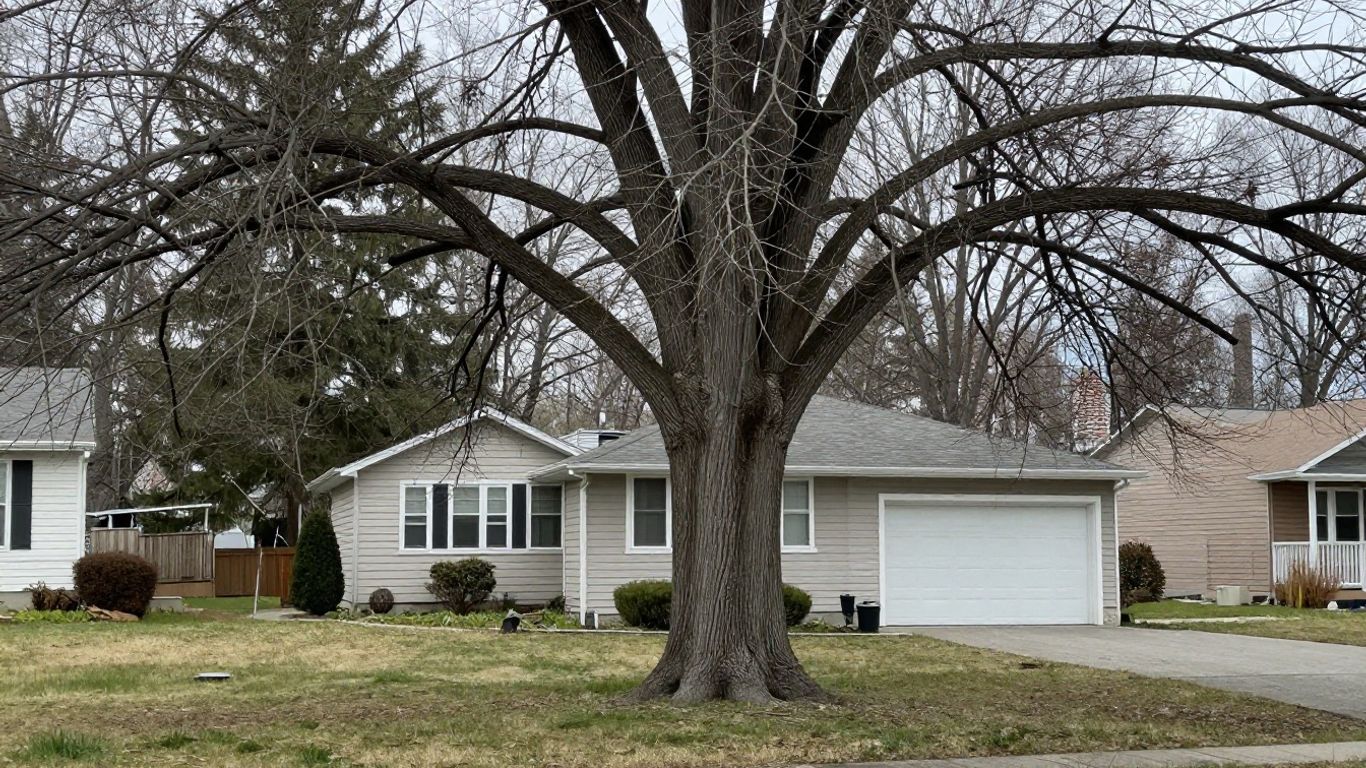
Safety changes the decision. A tree or large limb that could fall onto a home, driveway, or place where people gather needs prompt attention, especially if the trunk is cracked, leaning suddenly, or visibly unstable. Keep people away from the hazard and do not attempt to remove a dangerous tree yourself. If the tree is already down or about to fail, call our emergency tree service right away.
If removal is recommended, ask what risk or condition makes it necessary and whether any parts of the tree can safely remain. It can also help to learn how professional tree removal in Barrie works before deciding on next steps. A clear explanation helps you weigh safety, the tree’s prospects, and the effect of removal on your property.
How an ISA Certified Arborist Can Help Save Your Tree in Barrie & Simcoe County
At Northshore Tree Experts, our ISA Certified Arborists provide tree care in Barrie and across Simcoe County, and every visit starts with assessing the whole tree and the conditions around it, rather than relying on one symptom. They may consider the canopy, trunk, root zone, soil, site history, and possible signs of pests or disease. That broader view can help distinguish a temporary stress response from a more serious decline.
[IMAGE 4: arborist photo goes here, then delete this box]
A useful assessment should leave you with practical next steps: what to monitor, what care may help, and whether any work should be handled by a professional. If the cause is uncertain, the arborist can explain what can and cannot be concluded from the visible evidence. You can also ask about timing, safety precautions, and how to avoid adding stress during recovery. If you are still choosing a company, here are 5 tips for hiring a great arborist.
When a tree is near a home, walkway, or other target, a tree risk assessment can address risk as well as health. Share when you first noticed the change and mention recent digging, construction, unusual weather, or care changes. That context helps the arborist make a more informed recommendation for your property.
FAQs About Saving a Dying Tree
Tree recovery depends on the cause of decline, the amount of living tissue, and the tree’s growing conditions. The answers below cover common questions, but an on-site assessment may be needed when symptoms are severe or unclear.
Can a Half-Dead Tree Come Back to Life?
A tree with some dead branches may still have enough healthy tissue to continue growing. Whether it can recover depends on how much of the canopy and root system remains functional and what caused the decline. An arborist can assess the living portions and help you understand the likely outlook.
How Long Does a Dying Tree Take to Recover?
Recovery can take a full growing season or longer, and some trees may not recover. Look for gradual changes, such as healthier leaf growth or less dieback, rather than expecting a rapid turnaround. If the condition continues to worsen, have the cause reassessed.
Should I Fertilize a Dying Tree?
Not automatically. Fertilizer will not correct problems such as root damage, poor drainage, or disease, and adding it without identifying the cause may be unhelpful. Consider soil and tree conditions first, and ask an arborist whether fertilizing is appropriate.
How Much Does It Cost to Have an Arborist Assess a Dying Tree?
At Northshore Tree Experts, the first on-site assessment of a dying tree is free and comes with no obligation. If you need a formal written arborist report, for example for an insurance claim or a permit application, that is a separate service, and the price depends on the number of trees, the site, and the level of reporting. Whichever company you call, ask what the quote includes: a site visit, written recommendations, or additional testing.
If your tree is showing signs of decline, start by observing the whole tree and the conditions around its roots, then make careful changes that address likely stress without creating new problems. Some trees can recover with better growing conditions, while others need professional attention for safety or cannot be saved. When the cause or risk is unclear, an ISA Certified Arborist can help you make a more informed decision.