Key Takeaways
- Catching pest activity early is the single biggest factor in avoiding long-term structural damage to a tree.
- Simcoe County trees face specific, currently active threats — Emerald Ash Borer and LDD (Gypsy) Moth chief among them — not just generic “bugs.”
- Consistent watering and smart pruning make a tree naturally more resistant to insect attacks.
- Inviting beneficial insects, like ladybugs and lacewings, into your yard helps keep pest populations in check on their own.
- Ontario’s cosmetic pesticide ban limits which chemical treatments homeowners can legally use themselves — another reason early, natural prevention matters here more than in other provinces.
- For advanced infestations, Emerald Ash Borer confirmation, or storm-damaged trees, bringing in an ISA Certified Arborist is the safest route.
Why Pest Protection Looks Different in Barrie and Simcoe County
Tree pest advice written for a generic audience misses a lot of what actually matters here. Our winters bring hard freeze-thaw cycles that stress bark and root systems long before an insect ever shows up, and our summers can swing from drought to heavy humidity within the same season — both of which weaken a tree’s natural defenses. On top of that, Simcoe County sits in the middle of two of Ontario’s most serious current invasive-pest fronts, which we’ll get into below.
Whether you’re maintaining a mature maple in Barrie, a windbreak in Oro-Medonte, waterfront trees in Wasaga Beach or Georgina, or a mixed lot in Innisfil, Newmarket, or Bradford, the fundamentals of prevention are the same — but knowing which pests to actually watch for changes by region, and that’s where a lot of generic advice falls short.
Pests to Actually Watch For in Our Service Area
Not every insect on your tree is cause for concern, but a few species are worth knowing by name if you live in Central Ontario:
- Emerald Ash Borer (EAB) — the single most destructive tree pest in Ontario over the past two decades. It has already devastated ash populations across Simcoe County, and any ash tree showing thinning canopy, bark splitting, or D-shaped exit holes should be assessed quickly — EAB kills trees fast once established, and by the time symptoms are obvious above ground, the infestation is usually already advanced.
- LDD Moth (formerly Gypsy Moth) — periodic outbreak cycles have caused widespread defoliation across Ontario in recent years, particularly on oak, maple, and birch. A single bad season of defoliation usually won’t kill a healthy tree, but repeated years of it will.
- Eastern Tent Caterpillar — common on wild cherry, apple, and crabapple trees throughout the region every spring; mostly cosmetic on established trees, but worth monitoring on younger or already-stressed ones.
- Hemlock Woolly Adelgid — not yet widespread here, but it’s moving north through Ontario and is worth flagging early if you have hemlocks on a wooded or waterfront property.
If you’re not sure what you’re looking at, a quick photo sent to an ISA Certified Arborist is often faster and cheaper than guessing — misidentifying a pest is one of the most common reasons homeowners waste money treating the wrong problem.
How to Protect Trees from Pests Before an Infestation Starts
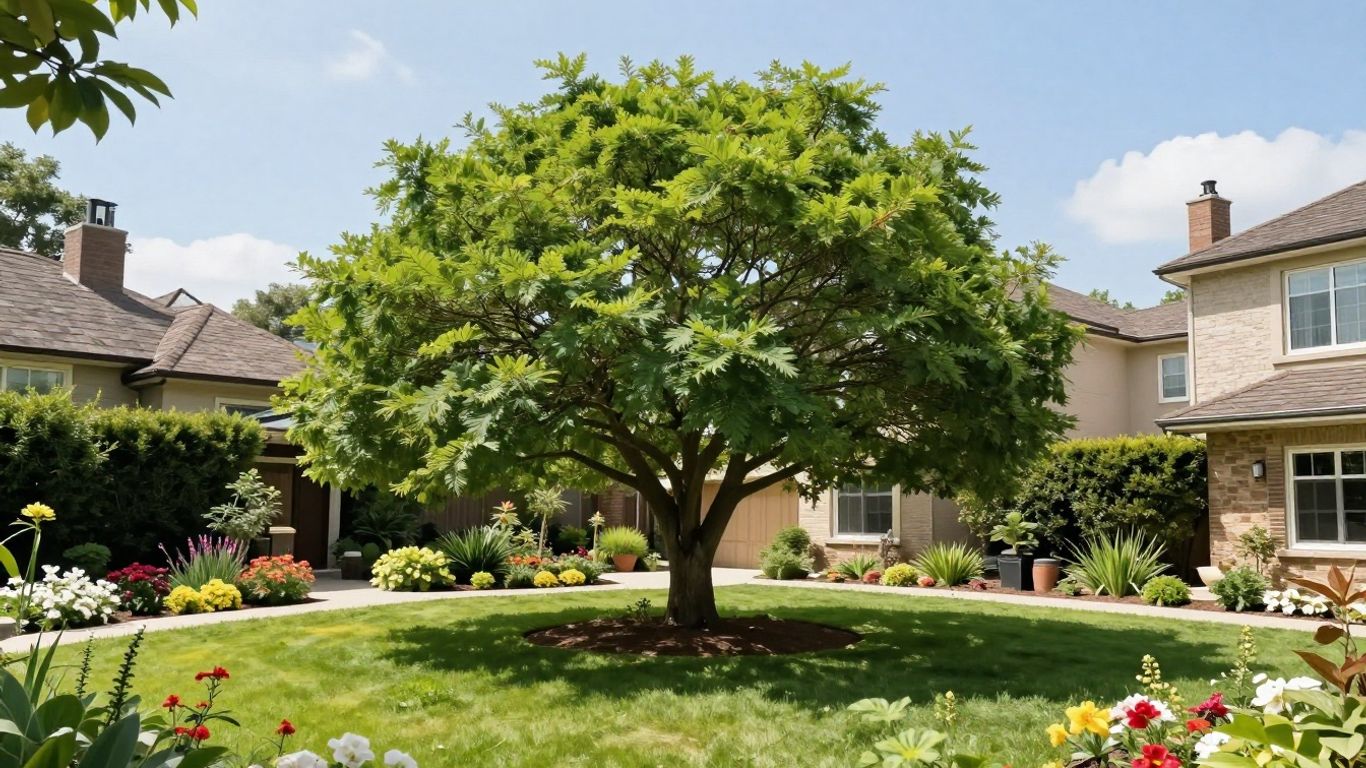
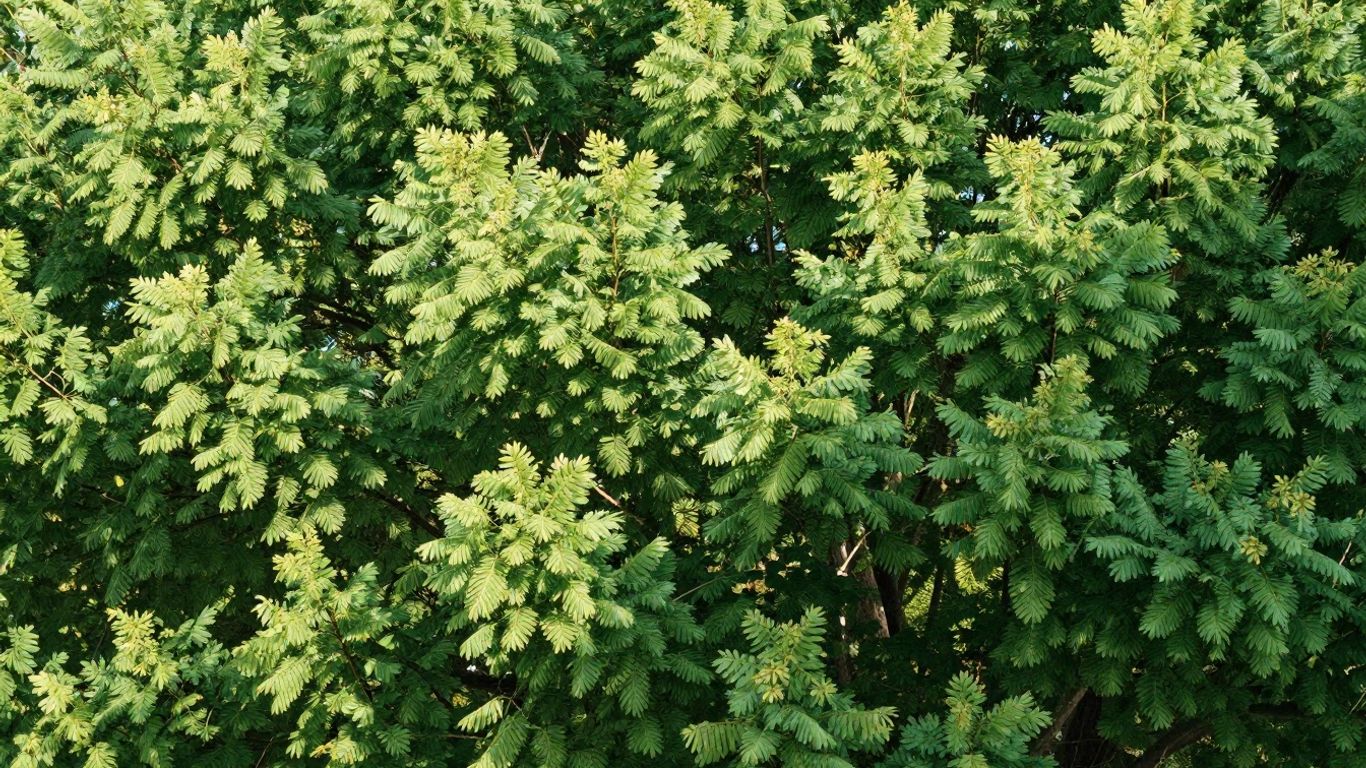
The foundation of pest prevention is a genuinely healthy tree. A tree getting enough water and the right nutrients has the energy reserves it needs to fend off insects on its own. Keeping the root system strong is especially important, since healthy roots keep nutrients flowing up through the trunk and out to the canopy — a well-fed tree is simply a harder target for pests, and that matters even more here given how much stress our freeze-thaw winters already put on root systems.
Good pruning habits matter just as much. Cutting away dead or crossing branches removes the shady, damp hiding spots many insects prefer, and opening up the canopy improves airflow throughout the tree. Less humidity trapped in the branches means fewer conditions for pests to multiply.
None of this works without regular monitoring. Walking your property periodically — especially as spring begins, right when LDD Moth egg masses hatch and EAB adults start emerging — lets you catch small problems while they’re still easy to manage, rather than discovering an infestation once it’s already spread.
What Causes Tree Pest Infestations?
Stress is usually the root cause. Trees dealing with drought, compacted soil, road salt exposure, or extreme temperature swings grow more slowly, and that slowdown signals nearby insects that the tree is an easier target. Aphids, for example, are drawn specifically to stressed trees because a struggling tree tends to leak more of the sugars aphids feed on.
Non-native insect species — EAB and LDD Moth both fall into this category — are a major driver locally, since they arrived without the natural predators that would normally keep their numbers down back home. Without birds or predatory insects to balance things out, an invasive population can spread quickly across a whole neighbourhood, not just one yard. It’s also common to see a spike in pest activity after a storm — broken limbs and damaged bark are exactly what wood-boring beetles look for, which is worth keeping in mind after any of our region’s heavier windstorms.
8 Effective Ways to Protect Trees from Pests
Most residential pest issues can be handled through routine structural care and good grooming habits — serious intervention is the exception, not the rule.
- Mulch generously around the drip line to lock in soil moisture and cut down on competition from surrounding roots.
- Set sticky traps or burlap bands near trunks to intercept crawling LDD Moth larvae and other climbing pests before they reach the canopy.
- Apply dormant oil in late winter to smother insect eggs overwintering on bark and branches, before spring hatch.
- Add nesting boxes for birds, which naturally prey on caterpillars and larvae.
- Prune out diseased limbs with sterilized tools so you’re not spreading fungal spores or insect eggs to healthy parts of the tree.
- Water deeply and consistently, rather than shallow and frequent, to encourage strong root development — especially valuable during our drier summer stretches.
- Inspect trees monthly during the growing season, paying close attention to new growth, the undersides of leaves, and — for ash trees specifically — bark condition and canopy thinning.
- Avoid over-fertilizing, since excess nitrogen can trigger soft new growth that’s especially attractive to sap-feeding insects.
An ISA Certified Arborist can also spot species-specific issues that aren’t obvious to a homeowner doing routine maintenance — particularly early-stage EAB, which is genuinely difficult to catch without training.
Signs Your Trees May Have a Pest Problem
Watch for leaves that yellow or brown prematurely in patches rather than evenly across the tree, since this pattern often points to sap-feeding insects working specific sections of the canopy. A sudden thinning of leaves in mid-summer is another common red flag.
Structural symptoms are usually more serious. Small D-shaped holes in bark (the telltale sign of EAB), or piles of sawdust-like debris — called frass — at the base of the trunk, both suggest boring insects are active beneath the surface. Sap oozing from wounds on the trunk is another sign that something is burrowing deeper into the tree than a surface treatment could reach.
Trees are good at masking damage until it’s already significant, which is exactly why routine checks matter — and why, with EAB specifically, waiting for obvious symptoms often means the tree is already past the point where treatment can save it.
Natural vs. Chemical Pest Control: Which Is Better in Ontario?
The right choice depends on infestation severity and how much you want to prioritize the surrounding ecosystem — and in Ontario, it also depends on what’s legally available to you as a homeowner. The province’s cosmetic pesticide ban restricts many chemical treatments to licensed professionals, which is part of why natural, preventive methods carry more weight here than in jurisdictions with fewer restrictions.
| Control Type | How It Works | Best Used For |
|---|---|---|
| Biological | Introducing or attracting natural predators | Long-term ecosystem balance |
| Mechanical | Physical barriers, like burlap bands or trunk wraps | Blocking pests from reaching the tree |
| Chemical (licensed) | Targeted treatments, including systemic injections for EAB | Fast control of severe or established outbreaks |
Where possible, start with natural methods — companion planting and insecticidal soaps are effective and safer for pets, pollinators, and the rest of your garden. For confirmed EAB or other serious infestations, licensed treatment (including systemic trunk injection, which is one of the few genuinely effective EAB treatments) needs to come from a professional.
When Should You Call a Professional Tree Service?
Once an infestation goes beyond what basic yard maintenance can fix, it’s time to bring in a professional. Large holes in the trunk, unexpected branch breakage, or any ash tree showing canopy thinning are signs the tree’s structural integrity may already be compromised. An ISA Certified Arborist can properly assess whether the tree is salvageable or whether removal is the safer option.
DIY products rarely solve deep-tissue infestations. Once insects have tunneled into the tree, store-bought treatments usually can’t reach far enough to matter, and money spent on them is often wasted while the tree continues to decline. Professional-grade equipment and root- or trunk-level treatments are typically the only way to stop an established infestation — particularly with EAB, where DIY intervention essentially never works.
Our ISA Certified team at Northshore Tree Experts serves Barrie, Newmarket, Innisfil, Wasaga Beach, Bradford, Oro-Medonte, and Georgina, and a full-service tree care assessment looks at the bigger picture rather than just treating one visible pest issue — which matters for the tree’s long-term health, not just this season’s symptoms.
About the Author
Johnny Corner is the Owner/Operator of Northshore Tree Experts Inc. and an ISA Certified Arborist based in Barrie, Ontario. He founded Northshore after years in emergency services, bringing that same attention to safety and detail to every tree assessment. Along with Supervisor and Lead Climber Martin Overgaauw, also ISA Certified, Johnny’s team has assessed and treated pest and disease issues across Simcoe County, including confirmed EAB cases throughout the region.
Conclusion
Protecting your trees is part science and part daily habit — and in Simcoe County, it also means knowing exactly which pests are actually active in your area rather than following generic advice. By watching for early warning signs, sticking to sustainable prevention methods, and knowing when EAB or another serious threat needs a certified professional, you can keep your landscape thriving despite the pressure of both local pests and our demanding climate.
If you’re anywhere from Barrie to Georgina and want a second opinion on a tree that doesn’t look right, get in touch — a quick assessment now is almost always cheaper than a removal later.
Frequently Asked Questions
How often should I inspect my trees for pests?
Check at least once a month during the growing season, with extra attention in early spring and late fall, when insect activity peaks — and pay special attention to ash trees, since EAB symptoms can progress quickly once visible.
Is Emerald Ash Borer a serious problem in Barrie and Simcoe County?
Yes. EAB has been active across the region for years and has killed a significant portion of the local ash population. Any ash tree showing canopy thinning, bark splitting, or D-shaped exit holes should be assessed by a certified arborist as soon as possible.
Can mulch really help prevent pest infestations?
Yes. Mulch reduces soil compaction and helps roots stay hydrated, which strengthens the tree overall and improves its natural resistance to boring insects.
Are all bugs on my trees harmful?
No. Many insects — including ladybugs, lacewings, and parasitic wasps — are beneficial, since they feed on the pests that actually damage your tree’s leaves and bark.
Should I cut down a tree if it has pests?
Not necessarily. Most infestations can be treated. Removal is generally only necessary if the tree has become structurally unstable or unsafe, which is common with advanced EAB cases.
Can homeowners in Ontario legally use pesticides on tree pests themselves?
Ontario’s cosmetic pesticide ban limits which products homeowners can use. Many effective treatments, including systemic EAB injections, are restricted to licensed professionals.
Do over-the-counter pesticides work for deeper bark issues?
Usually not. Surface-level pesticides typically can’t reach wood-boring larvae deep inside the tree, so they won’t address the actual source of the problem.
When is the best time to apply dormant oils?
Late winter or early spring, before buds break, is ideal — this coats the bark and smothers insect eggs before they hatch.
Northshore Tree Experts Inc. proudly serves Barrie, Newmarket, Innisfil, Wasaga Beach, Bradford, Oro-Medonte, and Georgina with ISA Certified arborists on every job.